
There is a moment, somewhere past 4,000 rpm in a properly engineered performance car, when the engine stops being a machine and starts being an instrument. That moment is what buyers are really paying for when they shop high end luxury sports cars — not the badge, not the leather, but the sensation that a team of engineers obsessed over something most people will never notice.
The problem is that this segment has never been more crowded or more confusing. Hybrid V6s now outrun naturally aspirated V12s. A $175,000 American coupe can embarrass a $600,000 Italian one on a road course. And the “cheap” way into the club often turns out to be the most expensive car you will ever own.
This guide breaks down what actually separates a luxury sports car from a fast car with nice seats, which 2026 models deserve your shortlist, what ownership really costs after the purchase price, and how to avoid the depreciation traps that catch first-time buyers.
What Actually Makes a Sports Car “High End”
Plenty of cars are quick. Far fewer earn the luxury designation. The distinction comes down to five things that are difficult and expensive to engineer.
Bespoke architecture. True high end sports cars ride on platforms built for one purpose. Carbon fiber monocoques, aluminum spaceframes, and mid-engine layouts exist because they improve rigidity and weight distribution — not because they were convenient to share with an SUV.
Powertrains built in-house. The engine is the personality. Ferrari’s flat-plane crank V8s, Lamborghini’s naturally aspirated V12, Porsche’s flat-six — these are signatures, not commodity parts.
Materials you can feel. Hand-stitched leather is table stakes. What separates the tiers is what sits underneath: milled aluminum switchgear, exposed carbon weave, Alcantara that was cut to a pattern rather than a template.
Limited production. Exclusivity is part of the product. When a manufacturer builds a few thousand units a year instead of a few hundred thousand, scarcity becomes a feature.
A service relationship. At this price point you are buying access — factory-trained technicians, track programs, personalization studios, and in some cases the right to be offered the next limited-run model.
If a car misses three or more of these, it is a fast luxury car. Excellent, often more practical, but a different category.
[INTERNAL LINK: /sports-cars-vs-supercars “sports car vs. supercar comparison”]
The Best High End Luxury Sports Cars of 2026
The current market splits cleanly into three tiers. Here is how the standouts compare.
| Model | Approx. Starting Price | Power | Layout | Best For |
|---|---|---|---|---|
| Chevrolet Corvette ZR1 | $175,000 | 1,064 hp | Mid-engine V8 | Maximum performance per dollar |
| Mercedes-AMG SL 63 | $190,000 | 577 hp | Front-engine V8 | Grand touring comfort |
| Aston Martin Vantage | $195,000 | 656 hp | Front-engine V8 | Design and road presence |
| Maserati MC20 | $240,000 | 621 hp | Mid-engine V6 | Rarity and driver feel |
| Porsche 911 Turbo S | $270,000 | 711 hp | Rear-engine flat-six hybrid | Everyday usability |
| McLaren Artura Spider | $280,000 | ~700 hp | Mid-engine V6 hybrid | Lightweight purity |
| Bentley Continental GT Speed | $305,000 | 771 hp | Front-engine V8 hybrid | Long-distance luxury |
| Ferrari 296 GTB | $345,000 | 819 hp | Mid-engine V6 hybrid | The full Ferrari experience |
| Lamborghini Revuelto | $610,000 | 1,001 hp | Mid-engine V12 hybrid | Theater and occasion |
Prices are approximate US MSRP before options, taxes, and dealer markup. Most buyers in this segment spend 15–30% above base once the configurator is finished.
Porsche 911 Turbo S — The One That Does Everything
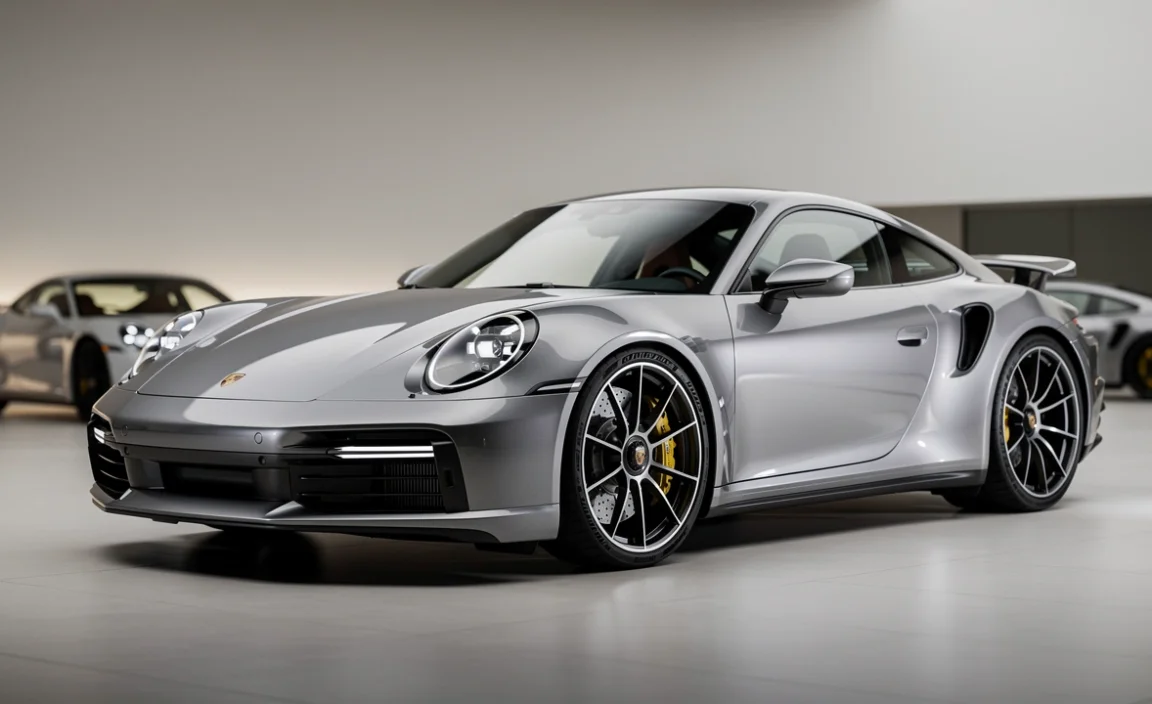
The 911 remains the default answer for a reason. It is the only car on this list you can genuinely drive every day: the trunk holds luggage, the ride quality is civil, visibility is good, and the dealer network actually exists in most major US cities.
The current Turbo S uses a hybridized flat-six that fills in turbo lag almost entirely, and all-wheel drive makes its acceleration accessible in conditions that would leave a rear-drive rival waiting for spring. The trade-off is character. The 911 is so competent that some drivers find it clinical.
Consider it if you want one car, not a weekend car.
Ferrari 296 GTB — The Emotional Choice
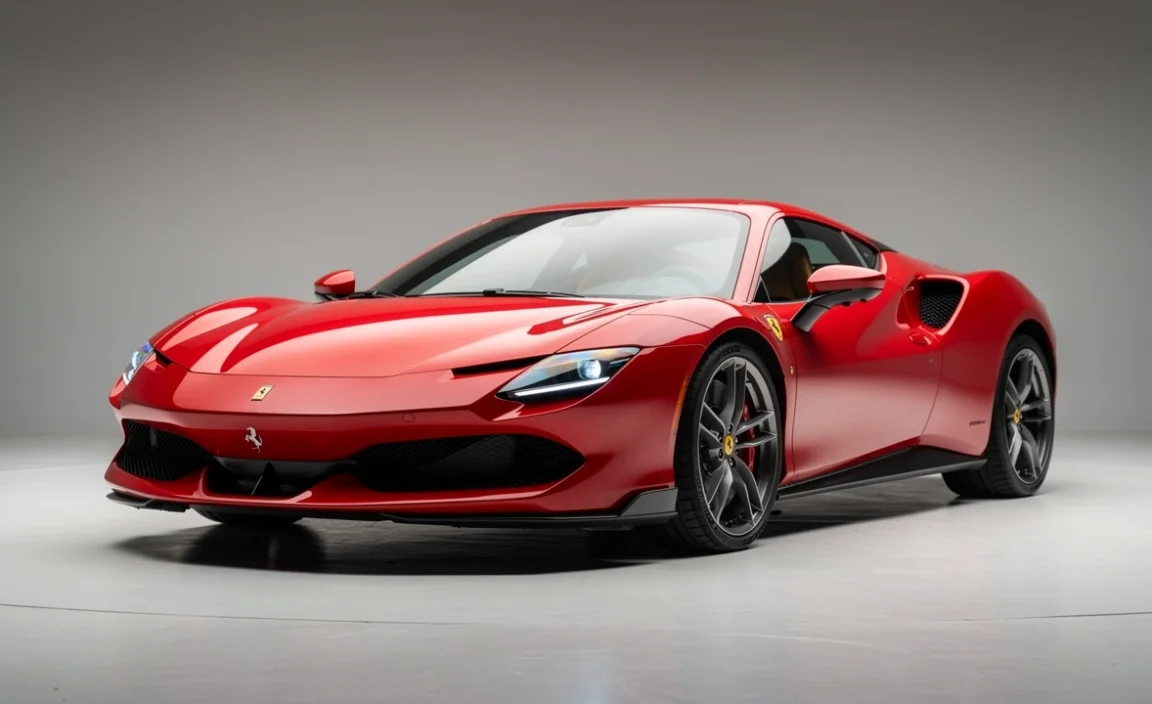
Ferrari’s twin-turbo V6 plug-in hybrid was met with suspicion when it arrived, and then it silenced everyone. It revs to 8,500 rpm, sounds unlike anything else on the road, and delivers around 819 combined horsepower in a chassis that flatters average drivers and rewards good ones.
Ferrari also includes an extended factory maintenance program, which meaningfully softens the early ownership years. What you cannot buy easily is a build slot — allocation for new Ferraris typically goes to existing customers first.
Consider it if you want the badge and the drama, and you have the patience for the ordering process.
Lamborghini Revuelto — The Last Great V12
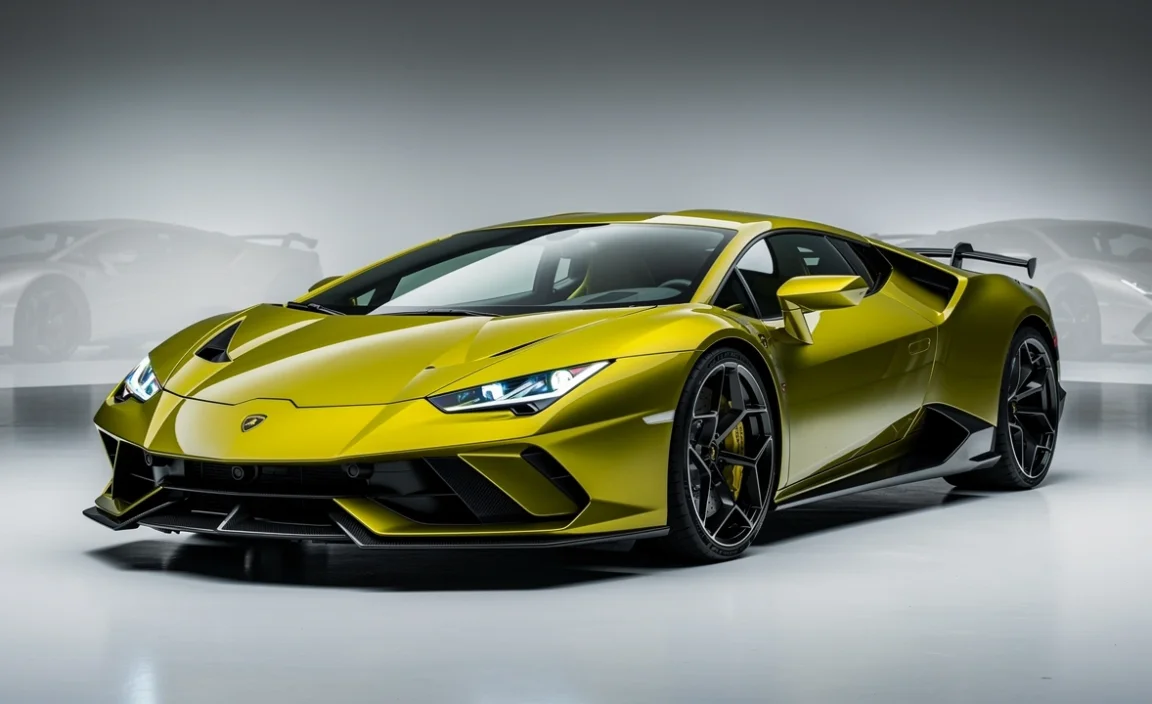
The naturally aspirated V12 is an endangered species, and the Revuelto is its most sophisticated expression: 6.5 liters, three electric motors, and a combined output that crosses 1,000 horsepower. It is loud, theatrical, and completely unbothered by subtlety.
It is also enormous, thirsty, and challenging to park. Nobody buys a Revuelto for logic.
Consider it if arrival matters as much as the drive.
Aston Martin Vantage — The Design Statement
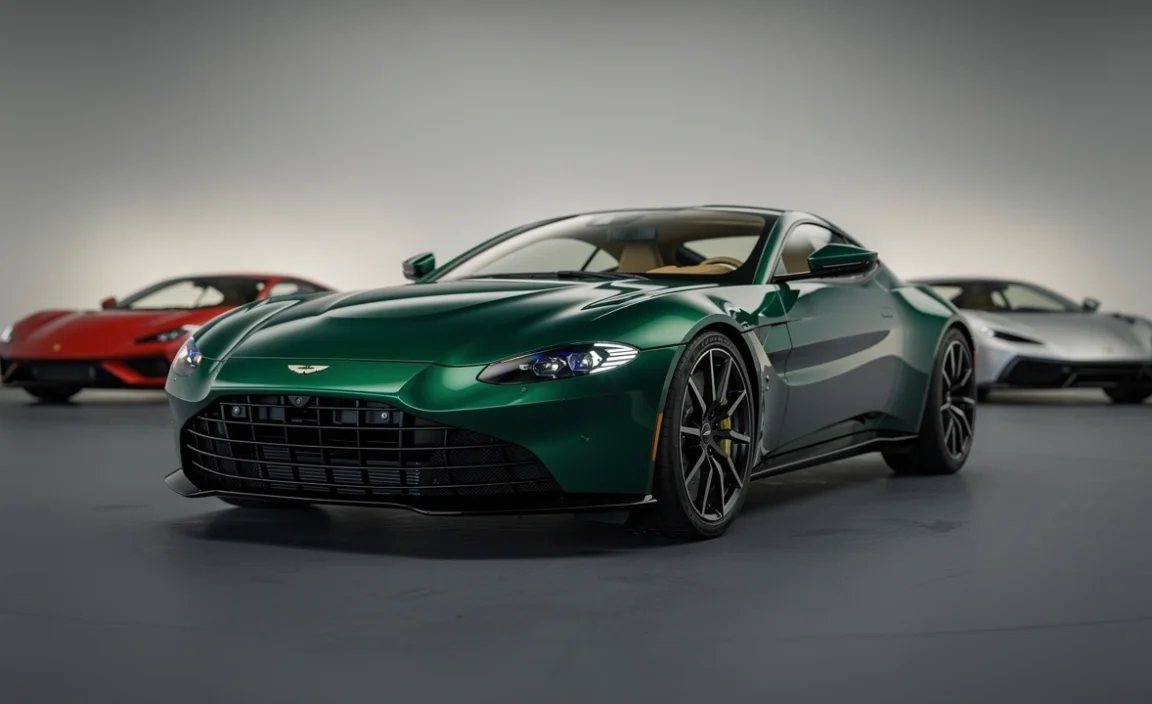
The reworked Vantage pairs a Mercedes-AMG-sourced twin-turbo V8 with a chassis Aston tuned aggressively toward playfulness. It is the most classically beautiful car in the segment and, at roughly $195,000 to start, one of the more attainable entries.
Be realistic about resale. Aston Martins depreciate faster than their German and Italian rivals, which is bad news for original owners and excellent news for second owners.
Consider it if you buy with your eyes and plan to keep the car.
Chevrolet Corvette ZR1 — The Value Outlier
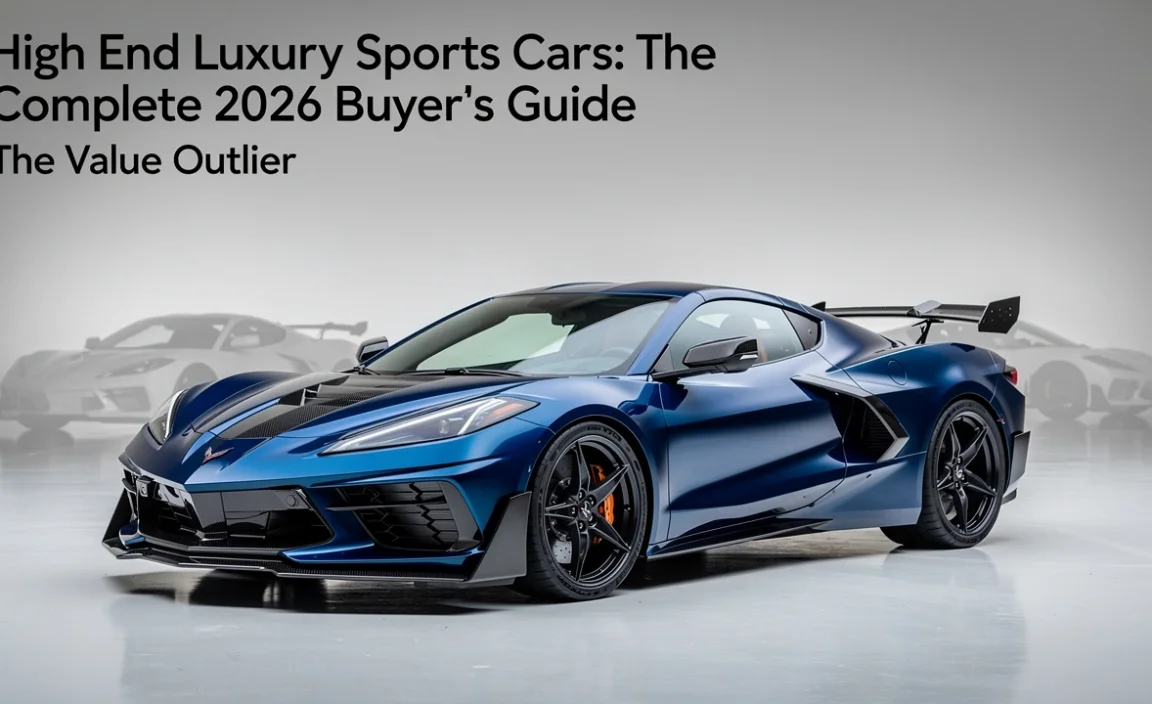
Purists argued about the mid-engine Corvette until the stopwatch settled it. The ZR1 makes over 1,000 horsepower from a twin-turbo V8 and runs with cars costing three times as much. Parts are affordable, service is available in every state, and the warranty is genuinely usable.
The interior has improved dramatically but still trails the Europeans in material richness, and the badge does not carry the same social weight.
Consider it if you care more about lap times and running costs than about heritage.
[INTERNAL LINK: /corvette-zr1-review “full Corvette ZR1 review”]
Engine or Motor? Understanding the 2026 Powertrain Landscape
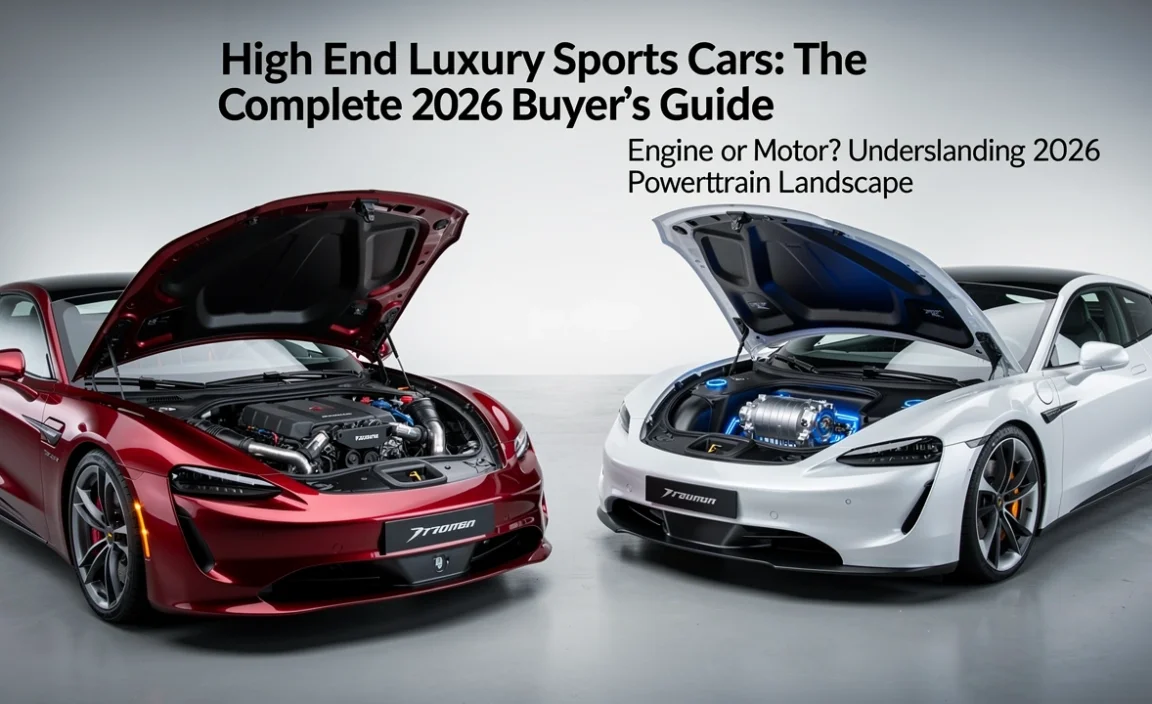
The single biggest shift in this segment is that nearly every flagship is now electrified — and not for fuel economy.
Hybrid assist is the new standard. Ferrari, Lamborghini, McLaren, Porsche, and Bentley all use electric motors to eliminate turbo lag and add instant low-end torque. The result is a car that feels naturally aspirated in its response while keeping turbocharged peak output.
The naturally aspirated engine is a luxury item. Only a handful of models still offer one, and they command a premium on the used market for exactly that reason.
Full EVs remain a niche here. Electric performance cars deliver staggering acceleration, but the segment has been slow to embrace them because sound and mechanical drama are core to the product. Battery weight also works against the handling purity buyers expect.
If engine sound is a priority for you, buy sooner rather than later. Tightening emissions regulations in Europe and California continue to narrow the options each model year.
[EXTERNAL LINK: EPA or NHTSA emissions and safety regulation resource]
The Real Cost of Ownership
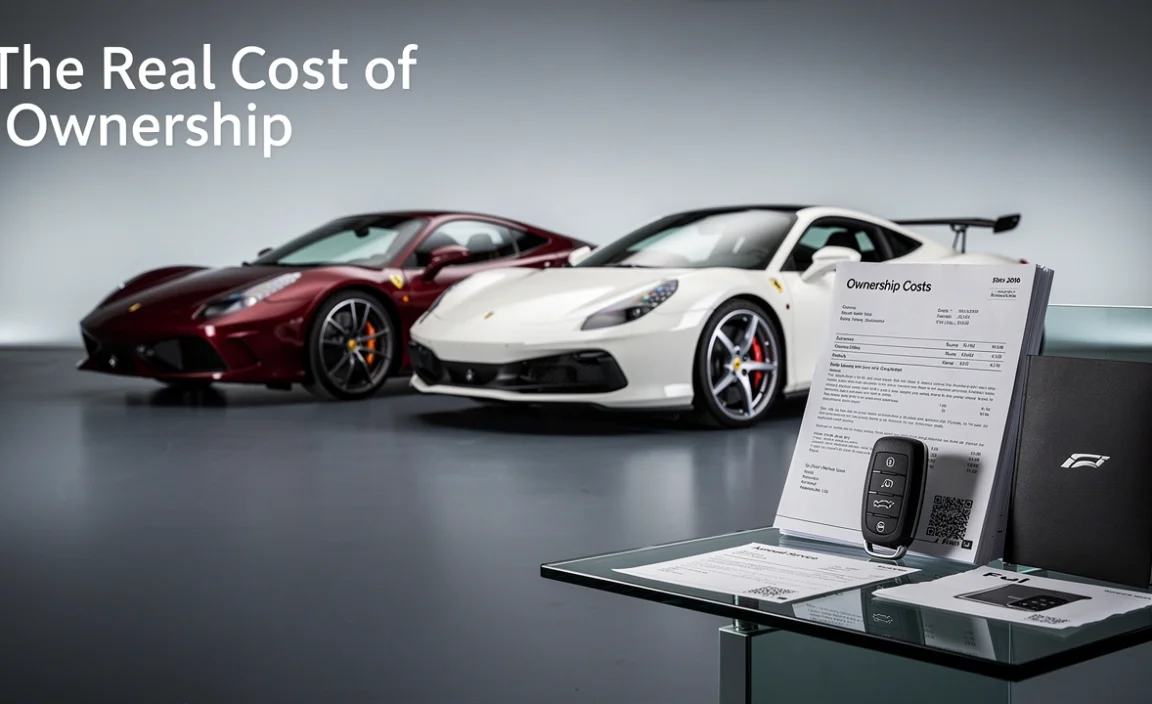
The window sticker is the smallest surprise in high end sports car ownership. Budget realistically for the following.
Insurance: $3,500–$9,000 per year depending on your state, driving record, and the car’s value. Agreed-value policies from specialty insurers are usually the better structure.
Tires: $1,500–$4,000 per set. Track use can consume a set in a single aggressive weekend.
Routine service: $1,200–$5,000 annually. Major services — clutch, fluids, suspension components — can reach five figures on exotics.
Depreciation: This is the largest line item by far, and it varies enormously. Expect 35–50% loss over five years on most models, with limited-production and manual-transmission variants holding significantly better.
Storage and care: Climate-controlled storage, battery tenders, ceramic coating, and paint protection film add up to several thousand dollars in the first year alone.
A useful rule: assume 8–12% of the purchase price per year in total running costs if you drive the car regularly.
Which Models Hold Value Best
Depreciation is not random. Cars that hold value tend to share three traits: limited production numbers, a manual or otherwise rare configuration, and a manufacturer that resists building too many.
Porsche’s GT-badged models and limited-run Ferraris have historically been the strongest performers. At the other end, big-engine luxury GTs from Bentley, Maserati, and Aston Martin typically absorb the steepest early losses — which makes them outstanding two-to-four-year-old buys if you are comfortable with out-of-warranty risk.
How to Choose the Right One
Answer these four questions honestly before you visit a dealer.
- How will you actually use it? Weekend canyon drives, track days, and cross-country touring point toward three very different cars. Be honest about mileage — buyers consistently overestimate how much they will drive.
- Is depreciation a cost or an investment? If the money matters, weight your shortlist toward the models with the strongest resale history. If it does not, buy the car you want.
- Where is your nearest dealer? A four-hour drive for routine service will change your relationship with the car faster than any spec sheet weakness.
- New or lightly used? A two-year-old example of a car one tier above your budget is often the smarter buy — someone else has already absorbed the worst of the depreciation curve.
If you go used, a pre-purchase inspection from a marque specialist is non-negotiable. Expect to pay $500–$1,500, and consider it the cheapest insurance available.
FAQ
What is the difference between a luxury sports car and a supercar?
A luxury sports car prioritizes a balance of performance and comfort, and is usually usable daily. A supercar pushes performance to an extreme and accepts compromises in visibility, ride quality, and practicality. The line blurs constantly — a Porsche 911 Turbo S sits in both camps depending on who you ask.
Are hybrid sports cars slower than traditional ones?
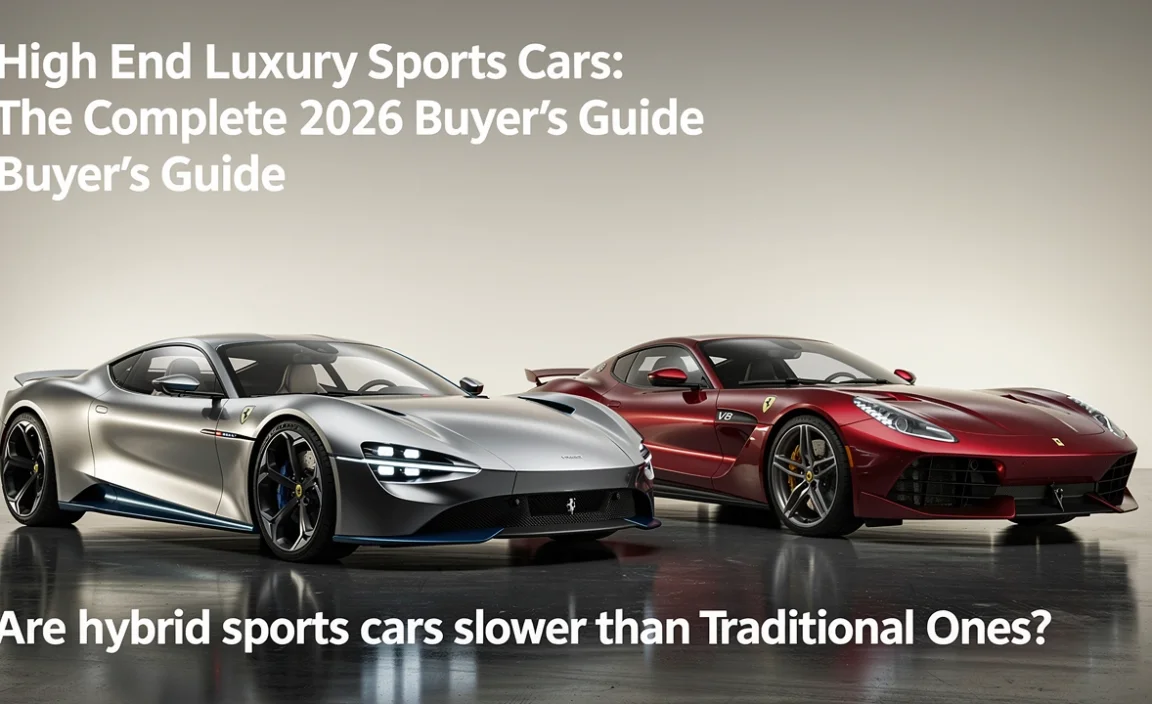
No. Electric motors add instant torque and fill in turbo lag, so most hybrid flagships are quicker than the pure-combustion cars they replaced. The trade-off is added weight, which is why manufacturers offset it with carbon fiber construction.
How much should I budget beyond the purchase price?

Plan on roughly 8–12% of the purchase price annually for insurance, maintenance, tires, and storage if you drive the car regularly. Depreciation is separate and typically larger.
Can you use a high end sports car as a daily driver?
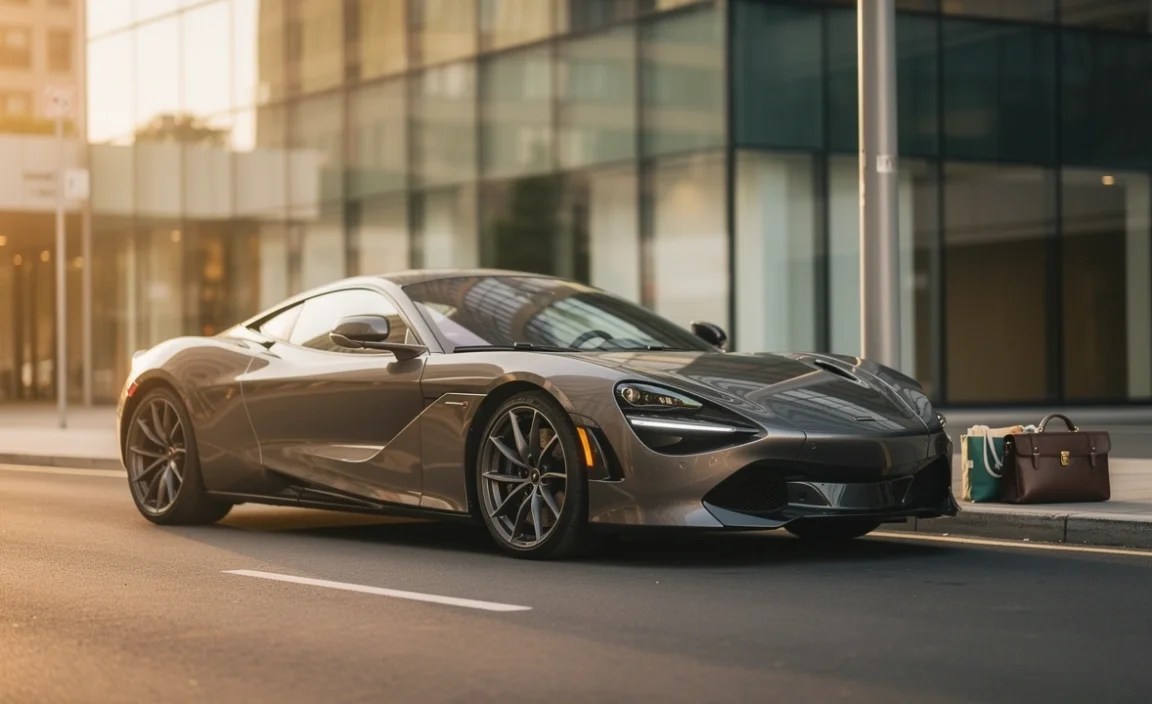
Some, yes. The Porsche 911, Mercedes-AMG SL, and Bentley Continental GT are all genuinely livable year-round. Mid-engine exotics with low ground clearance and limited luggage space are far harder to justify as your only car.
Which luxury sports cars hold their value best?
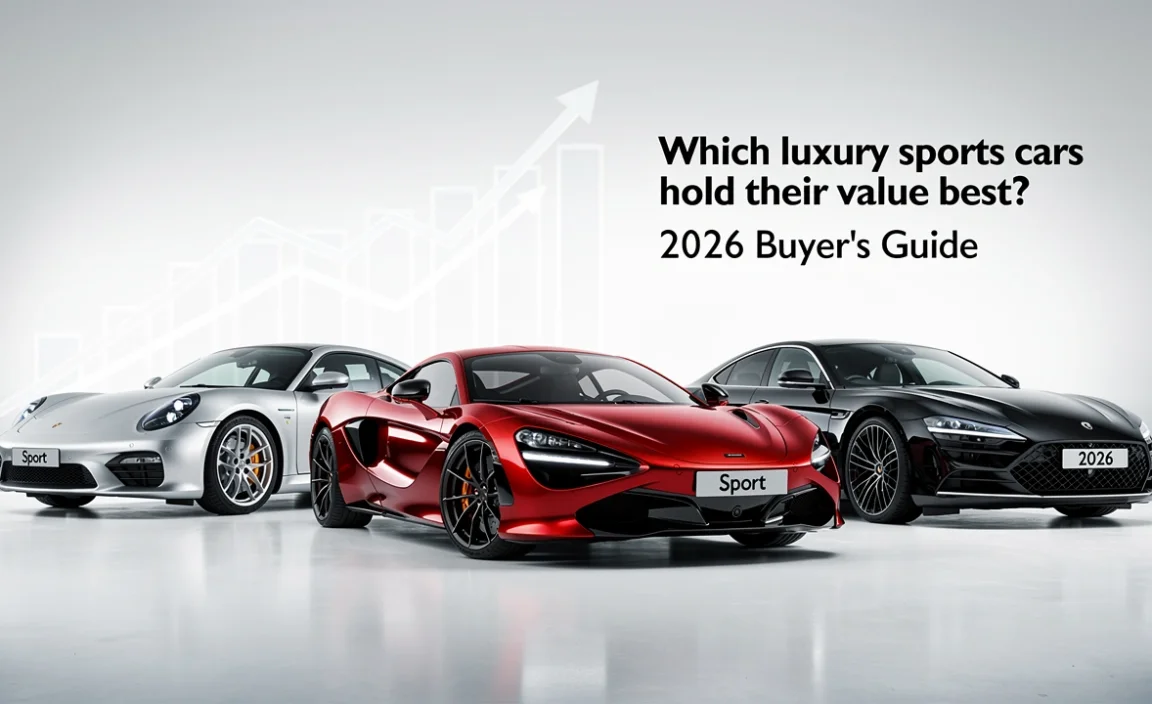
Limited-production models with manual transmissions or special designations lead the field, particularly Porsche’s GT lineup and low-volume Ferraris. High-volume luxury grand tourers generally depreciate fastest.
The Bottom Line
The best high end luxury sports car is not the fastest one or the most expensive one — it is the one that matches how you will actually use it. A Corvette ZR1 owner who tracks the car twelve weekends a year is getting more from their money than a Revuelto owner who drives 400 miles annually, no matter what the price tags say.
Narrow your shortlist to three cars, drive all three back to back, and pay close attention to the details you will live with daily: seat comfort, visibility, steering feel at normal speeds, and how the car behaves when you are not in a hurry. Those are the things that determine whether a car stays in the garage for a decade or gets traded in eighteen months.
Ready to go deeper? Browse our full model reviews and side-by-side comparisons to see how these cars stack up on the details that matter to you.
3 thoughts on “High End Luxury Sports Cars: The Complete 2026 Buyer’s Guide”