

Have you heard a V8 supercar start? It shakes your chest. It also shakes a budget. V8 Supercar Maintenance Cost covers many small jobs. Those jobs keep a fast car safe.
A race car works harder than a street car. It brakes later and turns harder. It runs hot for long laps. A normal oil change will not be enough.
Think of a fast car like a race horse. It needs care before every run. It needs checks after every run. Good care saves money and keeps drivers safer.
Key Takeaways
- V8 Supercar Maintenance Cost changes with use, parts, and crew.
- Tires, brakes, and fuel often drain the budget fastest.
- Engine and gearbox care prevents huge repair bills later.
- Crash damage can cost more than a full race weekend.
- Smart planning helps owners enjoy speed without budget pain.
V8 Supercar Maintenance Cost Basics
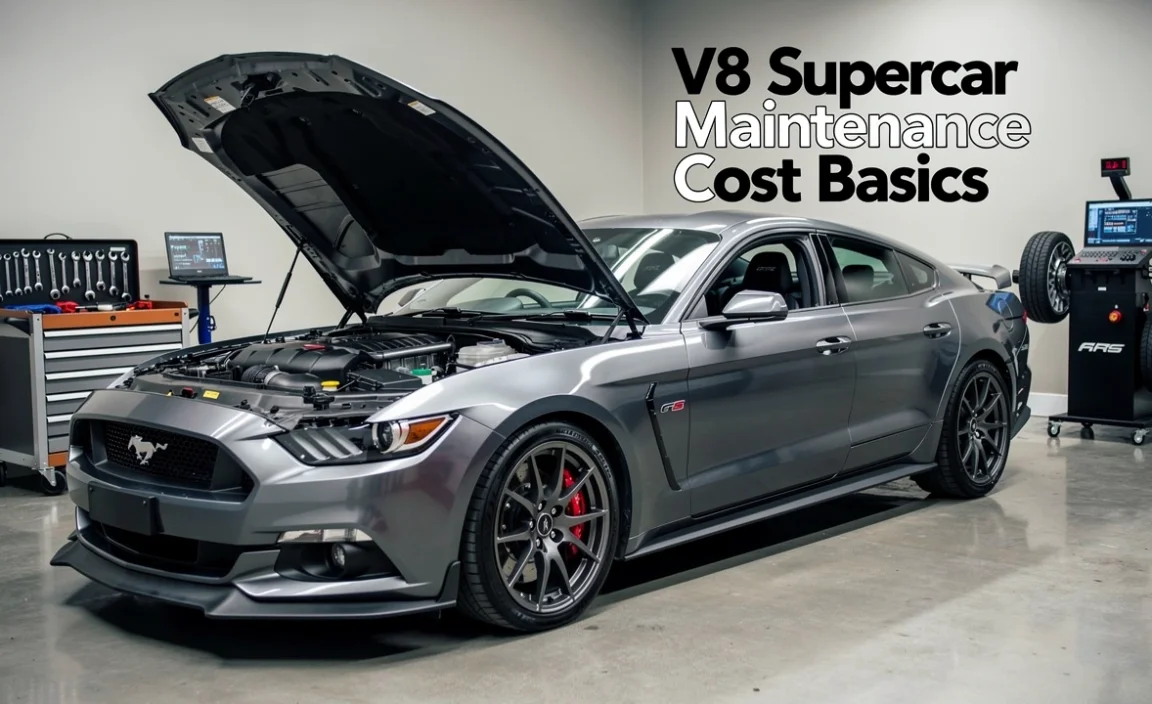
V8 Supercar Maintenance Cost means more than fuel and oil. It includes checks, parts, tools, and trained hands. Each lap adds heat and wear. The car asks for care after every session. Teams inspect bolts, belts, fluids, pads, and tires. They also log each part’s life. That record helps them plan the next fix. A missed check can invite a costly break. One loose part can damage three more parts. So owners pay early to avoid bigger bills. This cost can feel scary at first. Yet it makes sense at the track. Fast cars need steady care to stay quick. A good crew finds weak spots early. That helps the driver finish strong.
- Fresh fluids protect the hot V8 engine.
- Clean filters help the engine breathe better.
- Good tires keep grip high in each turn.
- Strong brakes help the driver stop late.
- Tight bolts keep key parts in place.
- Careful records show when parts need service.
What Does Upkeep Mean?
Imagine Sam buying a used race car. He thinks upkeep means fuel only. Then a crew chief opens a notebook. Why so many notes? Each page tracks a part. The book lists oil hours and brake heat. It shows tire age and bolt checks. Upkeep means care before, during, and after driving. The team cleans the car after sessions. Then workers inspect leaks and cracks. They also check wheel nuts and hoses. Nothing gets a free pass. A small drip can become a fire. A soft pedal can end a race. Good upkeep turns guesses into plans. Sam learns one big lesson fast. Speed feels fun when care comes first.
Why Does The Bill Grow?
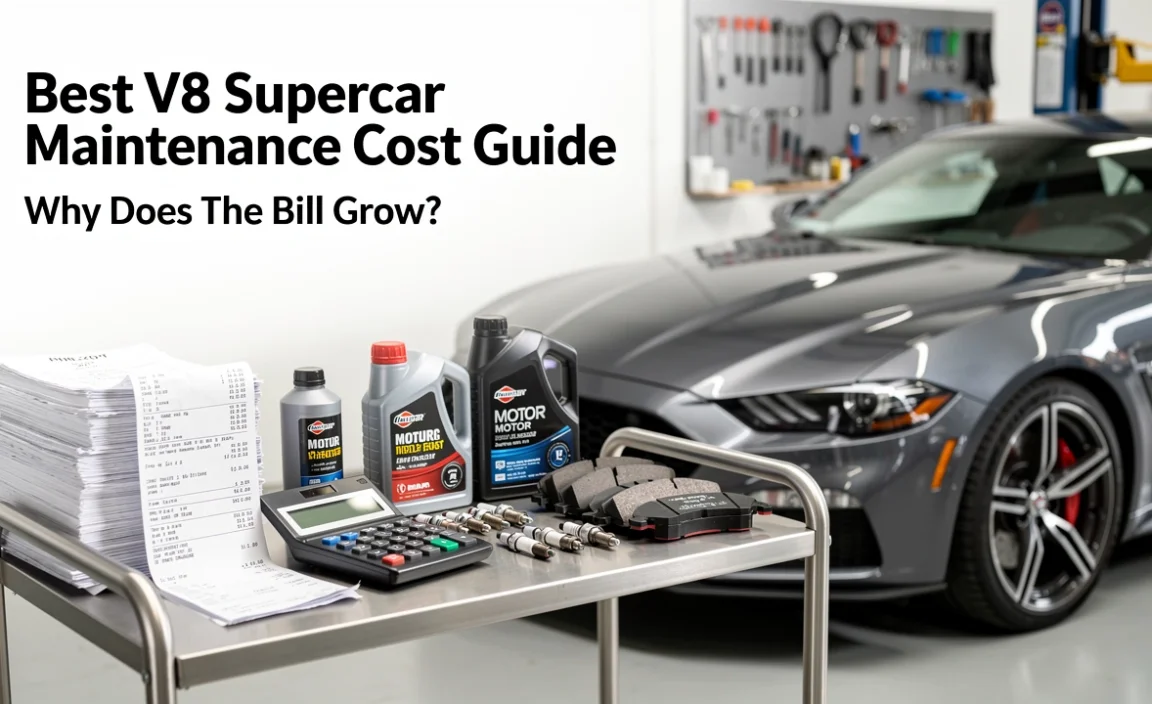
Why can one fun weekend cost so much? The car works hard every lap. Heat attacks oil, pads, seals, and tires. Vibration shakes bolts and wires. Heavy braking wears parts very fast. A driver may lock a tire once. That flat spot can ruin a whole set. A curb hit can bend a wheel. That bend can stress the suspension. Each small hit may start a chain. Teams stop that chain with checks. They replace parts before they fail. This sounds costly, but it prevents worse damage. A broken hose may cook an engine. A missed crack may cause a crash. Paying early can save a season.
How Teams Think Ahead
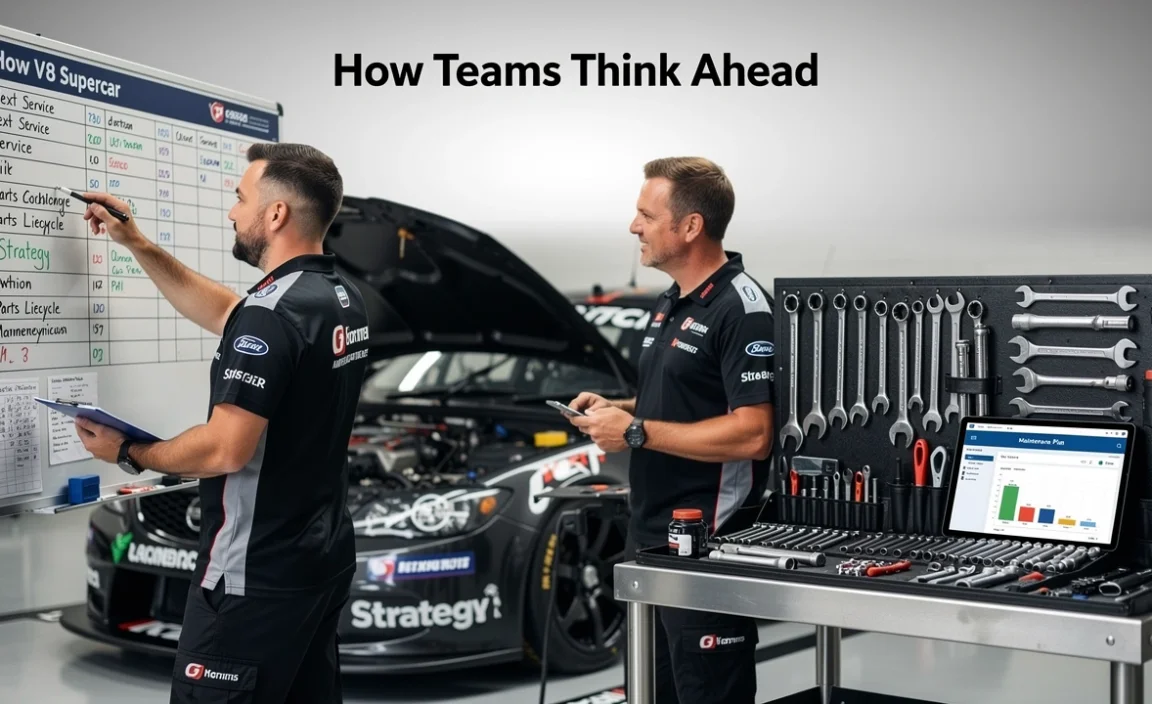
What would you pack for a race weekend? A smart team packs parts before problems start. They bring belts, hoses, pads, and fluids. They also bring tools and spare wheels. This planning affects the total bill. The team may not use each item. Still, they must buy and carry it. A short story shows why. One driver once lost a tiny clip. The car could not run without it. Another team had the same clip ready. Their car returned in ten minutes. Planning feels dull until trouble appears. Then it feels like magic. Good planning lowers stress and protects the car.
New owners should think in time blocks. Count the cost per track day. Then count the cost per season. Add shop time between events. Add travel, storage, and spare parts. Also add a buffer for surprise repairs. A simple plan can stop money shocks. Ask a crew chief for a written list. Ask when each part needs service. Compare that list with your budget. If the numbers do not fit, drive less often. You can still enjoy the car. Good choices matter more than showing off. A clean, safe car brings more fun. It also keeps the driver more calm. That calm can help lap times.
Fun Fact or Stat: Race teams often check wheel nuts after every track session.
V8 Supercar Maintenance Cost Breakdown
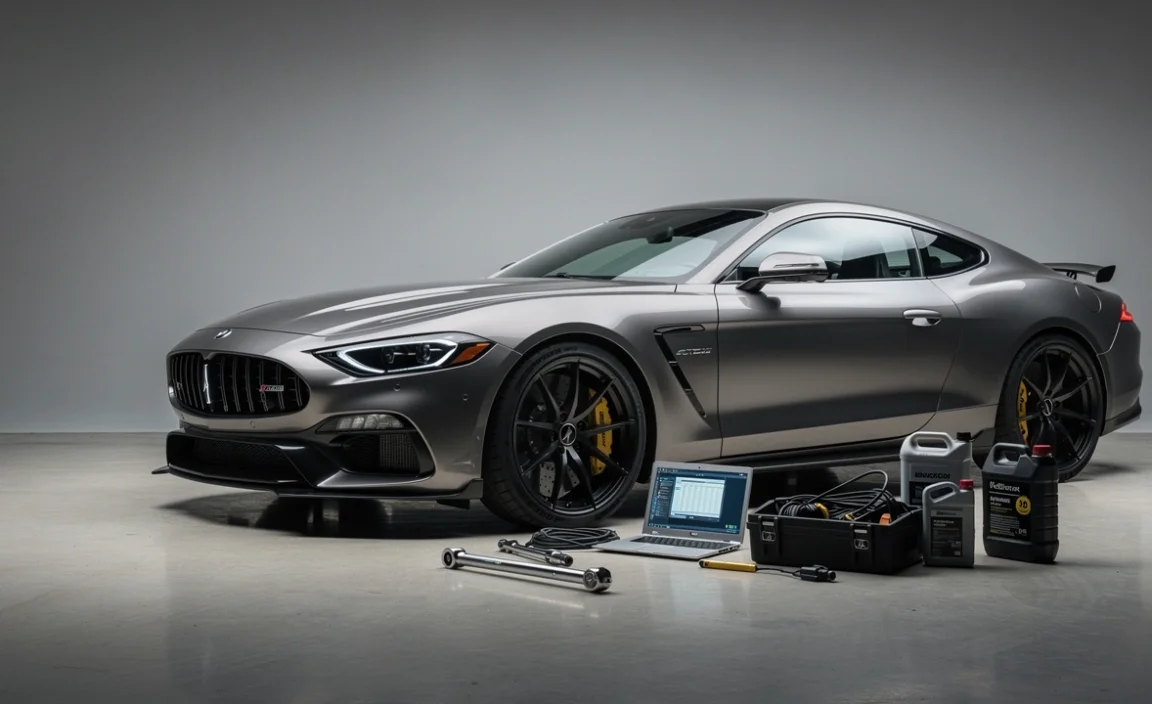
A clear cost breakdown helps owners stay calm. V8 Supercar Maintenance Cost can change a lot. A club owner may spend less. A pro team may spend far more. Track time is the biggest cost driver. More laps mean more tires, fuel, and checks. Driver style also matters a lot. A smooth driver saves brakes and tires. A rough driver can burn both fast. Parts choice also changes the bill. New parts cost more than used spares. Expert labor costs more than hobby work. Yet expert work can save money later. A good budget should show each line. This helps owners see what matters most. It also helps families plan before race day.
- Set a budget before booking any track day.
- Track every part with hours or miles.
- Use quality fluids from trusted race brands.
- Ask shops for clear written repair quotes.
- Keep a cash buffer for surprise damage.
- Compare part prices before the season starts.
| Cost Area | Common Range | Why It Matters |
|---|---|---|
| Tires | $1,500 to $6,000 per event | Grip drops as rubber wears. |
| Brakes | $1,000 to $5,000 per event | Hard stops create huge heat. |
| Fluids | $300 to $1,500 per event | Clean fluids protect key parts. |
| Engine Service | $10,000 to $80,000 yearly | Hours and rules change this cost. |
| Gearbox Service | $2,000 to $20,000 yearly | Shifts stress gears and shafts. |
| Crash Repairs | $2,000 to $100,000 plus | Damage can spread very fast. |
Event Day Costs
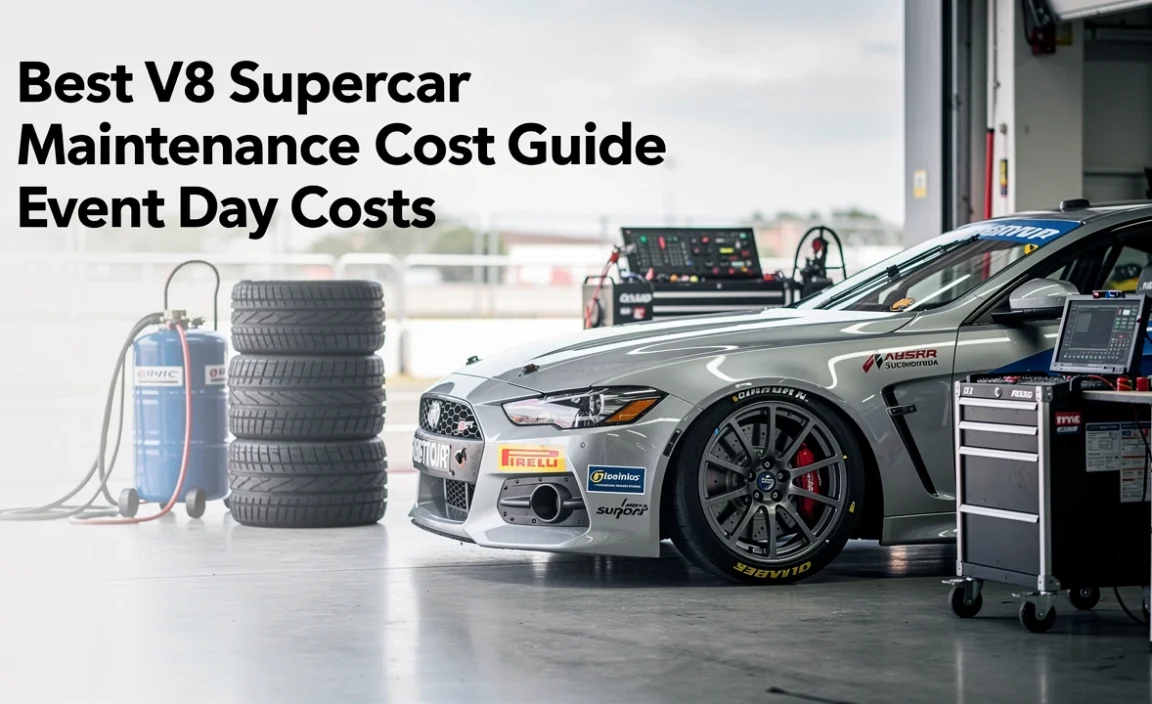
What happens on one race day? The meter starts before the first lap. The car needs fuel, tires, and fluids. The crew checks the setup and safety gear. They warm the engine with care. Then the driver goes out. After each run, the crew looks again. They measure tire wear and brake heat. They check for leaks and loose parts. The team may change tire pressure. They may add fuel or adjust the car. Each action uses time and supplies. Small costs can stack up fast. One day may feel short to fans. Yet the car may age by many hours. That is why event costs matter.
Shop Costs Between Races
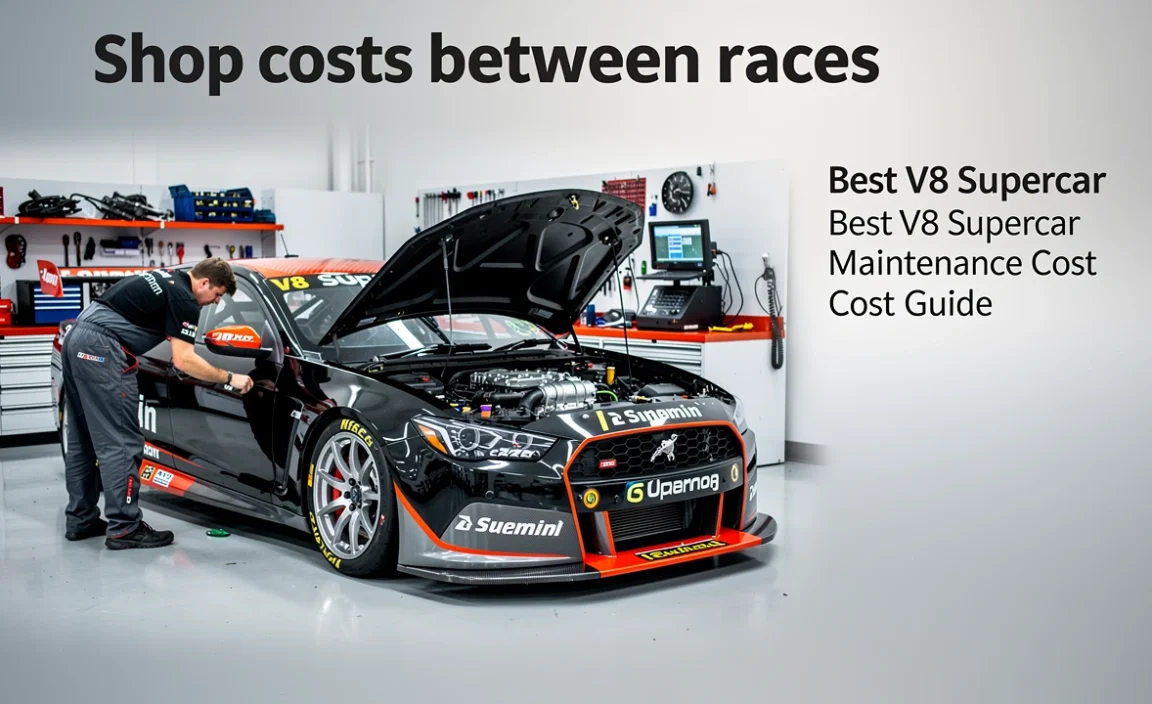
What does the car do after the race? It does not just sit quietly. It goes back to the shop. Workers clean it from nose to tail. They remove panels and inspect hidden areas. They look for cracks near mounts. They change fluids when needed. They check the suspension and steering parts. They may test the engine on a stand. They may rebuild brakes before the next event. This shop work costs money and time. Still, it protects the next race weekend. A small shop bill beats a big track failure. Good teams treat the shop like a hospital. The car leaves healthier and safer.
Hidden Budget Lines
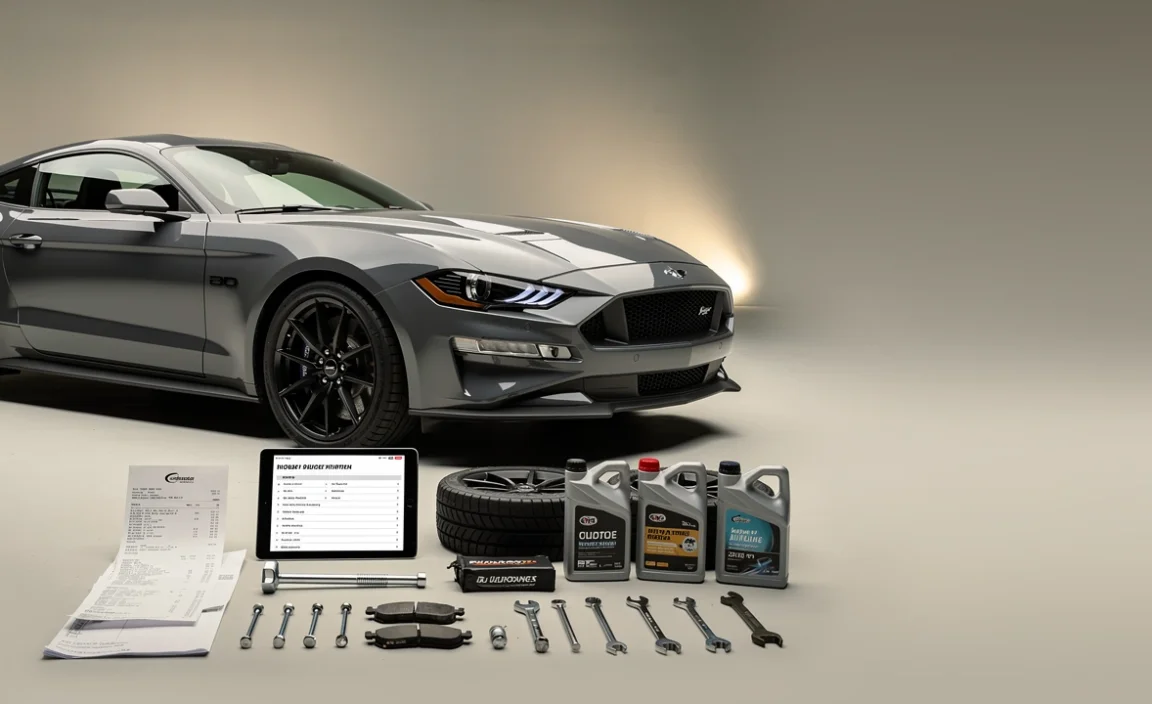
Have you ever forgot a small school fee? Race budgets have small fees too. Transport can cost a lot. Storage may cost every month. Insurance may add more. Licenses and track fees also matter. Safety gear expires and needs replacement. Tools break or need updates. Data systems may need sensors. Radios need batteries and care. Trailer tires may wear out. Food for crew also belongs in the plan. These costs do not sound exciting. Yet they can surprise new owners. A wise owner writes everything down. Then the real budget looks honest. Honest numbers help people enjoy the car more.
Use the table as a starting point only. Prices change by track, rule set, and location. A private owner may spend far less than a pro team. A busy team may spend much more. The safest plan uses ranges, not guesses. Put a low number and a high number. Then choose the high number for planning. If the real bill is lower, you win. If the bill is higher, you are ready. Talk with shops before you buy parts. Ask what fails most often. Ask what parts need special tools. A clear plan turns a dream into a schedule. It also makes the car easier to enjoy.
Fun Fact or Stat: A race weekend can use several tire sets.
V8 Supercar Tire And Brake Upkeep Cost
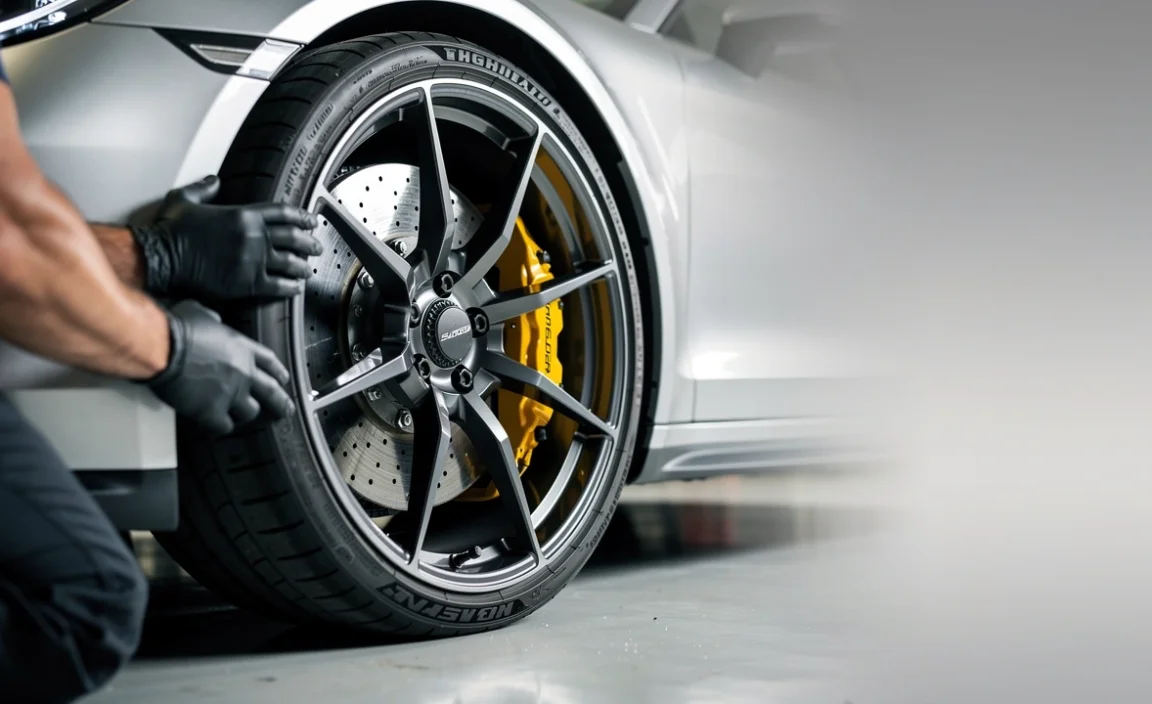
Tires and brakes often shape the biggest track bills. V8 supercars make heavy power and speed. That speed must turn into grip and stopping force. Tires give the car that grip. Brakes turn speed into heat. Both jobs wear parts very fast. A driver can feel this change during laps. The car may slide more near the end. The brake pedal may feel longer too. Teams watch these signs closely. They also read tire temperatures after each run. A smart setup can make parts last longer. Bad setup can waste money in minutes. Tire and brake care affects safety too. A fast car needs grip and trust. Without both, speed becomes risky.
- Rotate tires when the track layout allows it.
- Check tire pressure before and after runs.
- Bed new brake pads before hard use.
- Watch brake fluid color and pedal feel.
- Replace cracked rotors before they break.
- Use driver coaching to reduce rough inputs.
How Tires Wear So Fast
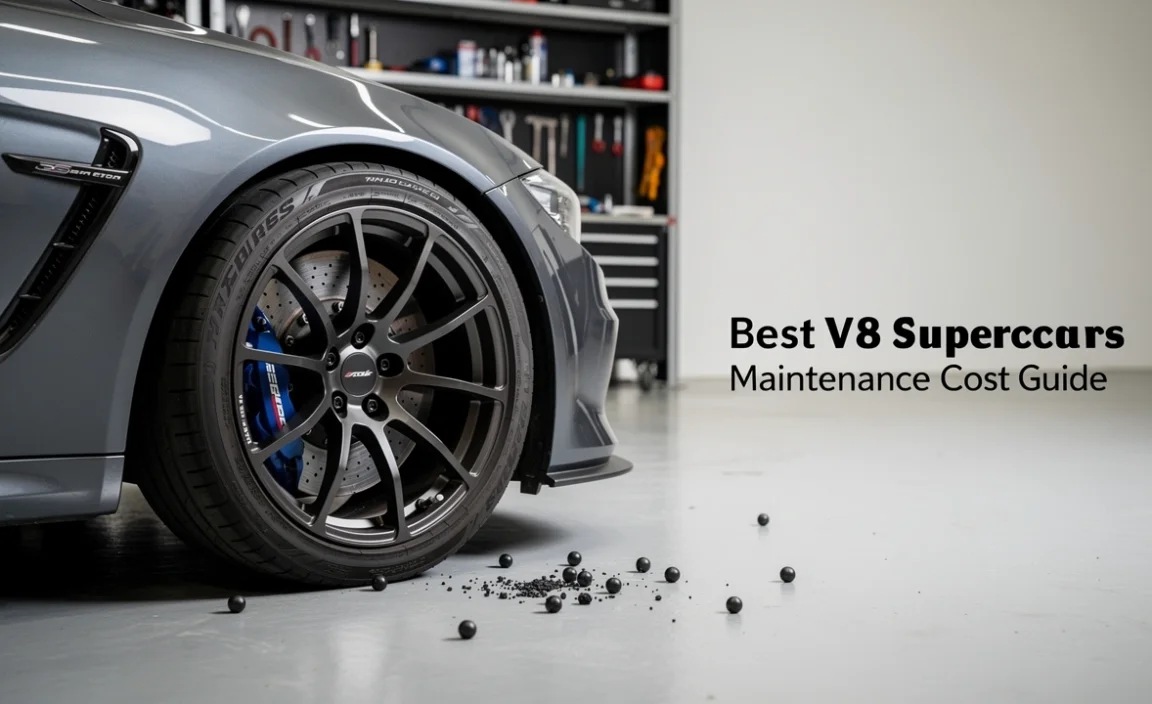
Why do race tires fade so quickly? They trade long life for strong grip. Soft rubber sticks to the track well. That sticky rubber wears during each turn. Heat makes the tire work harder. Too much heat can make it greasy. Then the car slides more. Sliding wears the tire even faster. Picture a pencil eraser on paper. Push hard, and it disappears sooner. A race tire faces that each lap. Camber, pressure, and toe also matter. A bad setup can scrub the rubber. A smooth driver can save tire life. Tire care is not just buying new sets. It starts with smart choices before driving.
Why Brakes Need Close Care
What stops a fast V8 at the end of a straight? The brakes do that hard job. Pads squeeze rotors with great force. That force makes huge heat. Heat can crack rotors and boil fluid. It can also glaze pads. Then the car may not stop well. Imagine riding a bike down a hill. Now picture doing that at race speed. The brake system needs clean fluid and strong parts. Teams check pad thickness after sessions. They inspect rotors for cracks and color changes. They also bleed the lines when needed. Good brake care gives drivers confidence. Confidence helps them brake late and safe.
Fuel Adds More Than You Think
Does fuel count as maintenance? It belongs in the running cost plan. A V8 race engine drinks fuel fast. High speed uses much more fuel. Long sessions can empty tanks quickly. Special race fuel may cost more. Fuel filters also need care. Dirty fuel can hurt injectors. A bad pump can end a session. Teams track fuel use by lap. This helps them plan safe amounts. Too little fuel risks engine trouble. Too much fuel adds weight. A smart team balances both needs. Fuel may seem simple to fans. Yet fuel planning can decide track time. It also affects the full weekend bill.
Tire and brake spending can teach a clear lesson. The driver controls more than many people think. Smooth steering saves tires. Clean braking saves pads and rotors. Good lines reduce sliding and heat. Coaching can lower costs and improve speed. That makes coaching a smart buy. Setup work helps too. A balanced car does not fight the driver. It turns better and stops cleaner. Teams should