

Have you ever seen a car stop a crowd? Some supercars cost more than a mansion. They look fast, even when parked. Rare Collector Supercars For Sale can feel like treasure hunts.
A boy once saw a poster of a red supercar. Years later, he found that model at auction. The car had old race photos. That story made the car feel alive.
Why do people chase these rare machines? They love speed, art, and history. They also want proof and care records. Smart buyers learn before they shop.
Key Takeaways
- Rare Collector Supercars For Sale need deep research before payment.
- True value comes from history, condition, rarity, and demand.
- Safe buyers check papers, photos, inspections, and seller trust.
- Storage and service help protect a supercar’s future value.
- Prices can change fast, so compare recent sales first.
Rare Collector Supercars For Sale Basics

Rare Collector Supercars For Sale can look like bright toys. Yet each car can hold real history. Some mark a race win. Some show a wild design idea. Some have only a few copies. Buyers do not just buy speed. They buy a story, a badge, and proof. A smart buyer asks simple questions first. Who owned it? How many were built? Does it still have original parts? Has it been cared for each year? These answers shape market value. They also lower risk. A rare car can be fun to see. It can also be hard to judge. Good research helps buyers understand high prices. It also shows why patience matters.
- Rarity can come from low production numbers.
- A famous owner can raise buyer interest.
- Original paint often matters to collectors.
- Clear service records make trust easier.
- Special colors can add strong appeal.
- Low miles may help, but care matters too.
What Makes A Supercar Rare

What makes one fast car feel almost magic? Rarity starts with small numbers. A maker may build only 20 cars. It may stop making a model early. A car can also be rare because of parts. Maybe it has a special engine. Maybe it wears a one-off paint color. A short story helps here. Imagine two red cars in a garage. One has common trim and mixed parts. The other has factory papers and matching numbers. Collectors will study the second car first. They want proof, not just shine. Provenance gives that proof. It tells where the car has been. It also tells who cared for it. Rarity grows when details match the records.
Why Collectors Chase Special Cars

Why would someone fly across the world for one car? The answer often starts with feeling. A collector may remember a bedroom poster. Another may love a race team. Someone else may enjoy rare design. These feelings meet facts during a sale. The buyer checks ownership records. The buyer studies photos and service notes. Then the dream becomes a real choice. Rare cars also connect people. Owners meet at shows and rallies. They trade stories about engines and colors. A car can become part of a family tale. That human side makes collecting exciting. Still, smart buyers mix joy with care. They let research guide every big step.
Common Myths For New Buyers
Have you heard that every rare car rises in price? That idea can be risky. Some cars rise, and some fall. Demand can change after only one year. Parts can become hard to find. Service can cost more than planned. A clean-looking car may hide big problems. One seller may share every record. Another seller may hide missing work. A short story shows the risk. A buyer loved a rare coupe online. He skipped the inspection to move fast. Later, the engine needed costly repairs. The lesson was simple and clear. Never let excitement lead alone. Let vehicle history guide the final choice.
Beginners should start with learning, not buying. Make a simple notebook for each car. Add photos, prices, records, and seller names. Write down questions before calls. Ask the same questions each time. This makes each car easier to compare. A great rare supercar should tell a clear story. Its papers should support that story. Its condition should match the price. Its seller should welcome careful checks. If something feels rushed, slow down. Rare cars are not everyday buys. They need calm thinking and honest advice. Buyers who move with care feel more confident. They also enjoy the search much more.
Fun Fact or Stat: Ferrari built only 349 F50 road cars worldwide.
Collector Supercar Value And Price Guide

Collector supercar value can seem like a secret code. Prices change because buyers want different things. One buyer may want low miles. Another may want famous race links. A third may care about rare colors. The same model can have many price levels. That is why auction history matters. Recent sales show what buyers paid. Dealer prices show what sellers hope to get. Private deals may sit between both numbers. Buyers should compare many sources. They should also note each car’s condition. A fresh service can add comfort. Missing records can lower trust. Rare Collector Supercars For Sale deserve clear price checks. Good price work protects every buyer.
- Compare recent sales before making an offer.
- Check mileage, condition, and options together.
- Ask why the seller chose that price.
- Look for matching records and photos.
- Include taxes, shipping, and service costs.
- Never buy only because prices rose before.
| Value Factor | Why It Matters | Buyer Tip |
|---|---|---|
| Rarity | Fewer cars can mean stronger demand. | Check build numbers first. |
| Mileage | Low miles may attract collectors. | Review service records too. |
| Condition | Clean cars often sell faster. | Get an expert inspection. |
| Provenance | Great history can raise interest. | Ask for original papers. |
| Market Timing | Trends can change prices fast. | Study recent sale results. |
Reading Price Signals
What tells you if a price makes sense? Start with recent sales from trusted places. Look for the same model year. Check similar mileage and options. Then compare colors and service notes. A cheap car may not be a deal. It may need major repair soon. A high price may also be fair. It could include rare factory options. Imagine two silver cars for sale. One has fresh tires and full records. The other has no service proof. The first may cost more today. It may cost less later. Strong market value checks help buyers see this. Price signals become clearer with practice. Do not trust one number alone.
Why Paperwork Changes Price
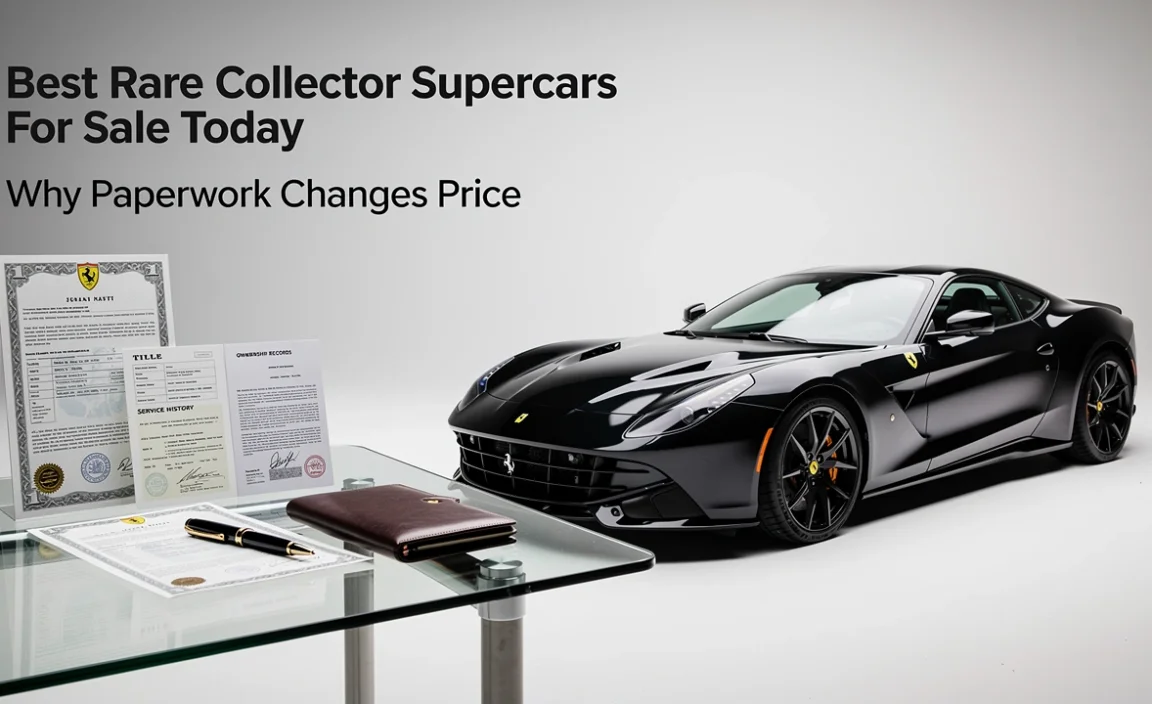
Would you pay more for a car with proof? Most collectors would answer yes. Paperwork shows the car’s life story. It can include window stickers and manuals. It may include factory letters too. Service bills show how owners cared. A clean title also matters a lot. These records help fight doubt. One family kept every paper in folders. Years later, the car sold with ease. Buyers felt safe because the story was clear. Missing papers create questions and fear. A seller can still have a great car. Yet the price may need room. Service history helps buyers trust the engine. It also helps future buyers later.
Auction Results Tell Stories

Why do people study auction results for fun? Each sale tells a small market story. The bids show real buyer interest. A no-sale can show a weak price. A wild result can show special demand. Photos and notes matter there too. Read the full listing, not just price. Was the car restored or original? Did it have rare factory options? Did famous people own it before? A short story makes this clear. One blue car sold far above estimates. Later, buyers saw its race history. That history made the price less strange. Collector car auctions can teach smart lessons. Use them like a price map.
Value work should not feel scary. Break it into small steps. First, learn the model. Next, list the special features. Then study recent sales and expert notes. Add costs for shipping and service. Leave room for surprise repairs. Ask a trusted specialist for help. A fair price should match proof and condition. It should also match current demand. Rare cars can bring joy and pride. Yet no car should force a rushed choice. Buyers should set a firm budget early. They should stay calm during talks. A smart offer shows respect for both sides. It also leaves space for a good deal.
Fun Fact or Stat: A one-owner car can bring much stronger buyer trust.
Rare Exotic Cars For Sale: Best Places

Rare exotic cars for sale appear in many places. Some sit inside famous dealer showrooms. Others hide in private garages for years. Some reach buyers through online listings. A few appear only at invitation events. The best place depends on the buyer. A new buyer may prefer a dealer. Dealers can provide support and paperwork. A skilled buyer may use private leads. Car clubs can also help a lot. Members often know honest sellers. They may know a car’s past too. Search engines help, but trust matters more. Rare Collector Supercars For Sale should never be judged by photos alone. The best search blends online tools and real people.
- Specialty dealers often know rare models well.
- Auctions can reveal strong market interest.
- Car clubs may share quiet private leads.
- Online listings need careful photo checks.
- Private sellers may offer deep history.
- Events let buyers see cars in person.
Trusted Dealer Showrooms

Have you ever walked into a bright supercar room? The floor shines like glass. The cars sit under strong lights. A trusted dealer can make buying easier. Good dealers know rare models well. They can explain options and service needs. They may help with financing and shipping. They can also share inspection reports. Still, buyers must ask hard questions. A fancy showroom does not prove everything. Ask about ownership records and repairs. Ask if the